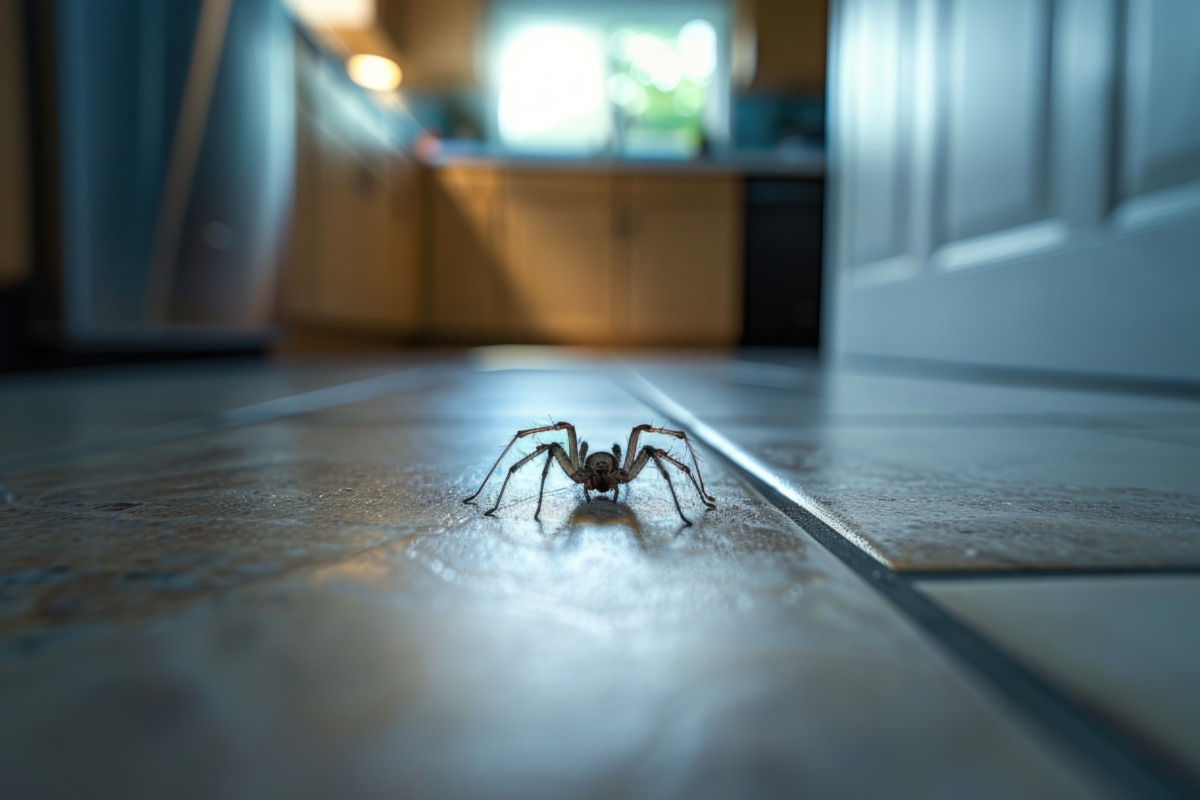
Why Do Spiders Come Inside More Often in the Fall?
Spiders often seem more common indoors in the fall because cooler temperatures cause some species to seek protected shelter, while mature male spiders become more active as they search for mates. Spiders may enter through small gaps around doors, windows, foundations, siding, and utility openings, making homes more noticeable spider hotspots as the seasons change.
At AJB Pest & Termite, we understand that seeing more spiders around your home can be unsettling, especially when you are not sure why they suddenly appeared. As a locally owned, family-operated pest control company serving the Dallas-Fort Worth area, AJB provides personalized residential and commercial pest solutions rather than taking a one-size-fits-all approach. Our licensed professionals focus on identifying pest activity, potential entry points, and the conditions around a property that may contribute to the problem. With flexible one-time and recurring pest control services, environmentally responsible treatment options, and no long-term contract required, our goal is to provide dependable protection while building lasting relationships with the customers we serve.
What Causes Increased Spider Activity Inside Homes During Fall?
Fall spider activity is usually connected to seasonal behavior, shelter, and access to prey rather than spiders suddenly multiplying throughout your house. Some species spend most of their lives outdoors and simply become more noticeable when temperatures begin to fall.
Colorado State University Extension reports that some spiders wander indoors in early fall as cooler outdoor temperatures cause them to seek shelter. The same Extension guidance notes that male spiders are often found indoors more frequently because they wander during mating season in search of females.
Are Spiders Coming Inside Because It Is Getting Colder?
Yes, cooler fall temperatures can cause certain outdoor spiders to move into protected spaces, including homes, garages, sheds, and other structures.
As outdoor conditions become less favorable, cracks and gaps around a house may provide easy access to a more protected environment. Penn State Extension notes that homeowners frequently encounter grass spiders indoors during autumn as the spiders seek protection from falling temperatures.
Common spider entry points include:
- Gaps beneath exterior doors
- Cracks around windows and foundations
- Damaged weather stripping
- Openings around plumbing or utility lines
- Gaps beneath siding
- Garage door openings
- Torn window or door screens
- Unsealed vents
Sealing these openings is one of the most practical forms of spider prevention because it helps stop spiders before they enter.
Does Spider Mating Season Cause More Fall Sightings?
Yes. Increased wandering by mature spiders, particularly males looking for females, can make spider activity much more noticeable in late summer and fall.
This is an important distinction because seeing a spider walking across a floor does not necessarily mean it has been living or reproducing inside your home.
Colorado State University Extension explains that male spiders tend to wander during mating season, which is why homeowners may encounter them more frequently indoors. Wolf spiders provide a good example. Penn State Extension reports that wolf spiders mate in autumn, with males actively moving around in search of opportunities to reproduce.
That seasonal movement can lead spiders through an open garage, underneath a poorly sealed door, or through another small opening around your home’s exterior.
Why Are Spiders Attracted to Certain Areas of a House?
Spiders are most likely to remain where they can find shelter and prey. A home with plenty of insects can unintentionally provide spiders with a reliable food source.
Spiders feed primarily on insects and other arthropods. Colorado State University Extension notes that this predatory behavior actually makes spiders beneficial in many outdoor environments because they naturally help control insect populations.
Inside a home, spiders may be found around:
- Basements and crawl spaces
- Garages
- Closets
- Attics
- Window frames
- Corners of rooms
- Storage areas
- Areas near exterior lights
- Spaces where insects are regularly present
Common house spiders, for example, often build webs in corners, around windows, and in protected areas. Penn State Extension also notes that they are frequently encountered in damp areas such as basements and crawl spaces.
Reducing other insect activity can therefore be an important part of spider control. If a property consistently provides food for spiders, removing webs alone may provide only temporary relief.
How Can You Keep Spiders Out of Your Home This Fall?
The most effective spider prevention combines exclusion, reduced insect activity, removal of hiding places, and regular monitoring around the exterior of the home.
Homeowners can take several practical steps:
- Seal cracks and gaps. Inspect foundations, windows, doors, siding, utility penetrations, and other exterior openings.
- Replace worn weather stripping. Pay particular attention to exterior and garage doors where small gaps may remain along the bottom or sides.
- Repair damaged screens. Check window, door, attic, and vent screens for openings.
- Reduce clutter. Cardboard boxes, stored materials, and rarely disturbed areas can provide hiding places for spiders and the insects they prey upon.
- Remove webs when you find them. Vacuuming webs, spiders, and egg sacs can help manage indoor activity.
- Address other pests. Ants, flies, cockroaches, and other insects can provide spiders with a steady food supply.
- Manage exterior lighting. Lights near doors and windows can attract insects at night, which may also attract spiders looking for prey.
Consistent home pest control is particularly useful when spider sightings occur alongside other pest activity. A professional pest control service can evaluate both the spiders themselves and the insects that may be helping sustain them.
When Should You Call a Pest Control Company for Spiders?
Professional spider control is worth considering when sightings become frequent, webs repeatedly return, potentially concerning species are present, or other pest activity is occurring around the home.
An occasional spider that wanders indoors does not necessarily indicate an infestation. University of Minnesota Extension notes that many outdoor spiders enter homes accidentally, particularly in fall, and some do not survive well or reproduce indoors.
However, repeated activity can point to favorable conditions around the property. A professional exterminator or pest control technician can look beyond the individual spider and evaluate:
- Exterior entry points
- Spider webs and harborages
- Insect populations that provide food
- Moisture and clutter
- Activity around garages and storage spaces
- Cracks and gaps around the structure
AJB Pest & Termite’s pest management approach is tailored to the individual property. Our technicians can identify conditions contributing to pest activity and recommend one-time or ongoing treatment options based on the home’s needs.
Frequently Asked Questions About Fall Spider Activity
Does seeing spiders in the fall mean I have an infestation?
Not necessarily. Many spiders seen indoors during fall are outdoor species that wandered inside while seeking shelter or mates. Frequent sightings, numerous webs, egg sacs, or ongoing insect activity may justify a closer inspection.
What month are spiders most active?
Spider activity varies by species and climate, but many homeowners notice increased wandering in late summer and early fall. Cooler weather and mating behavior can make mature spiders particularly visible during this period.
Do spiders die when winter arrives?
It depends on the species. Spiders use different strategies to survive colder weather, including overwintering as eggs, immature spiders, or adults in protected locations.
Why do I keep finding spiders even after removing their webs?
Removing a web eliminates the immediate evidence, but it does not necessarily address entry points or the insects spiders are feeding on. Long-term spider control typically works best when you reduce both access to the home and available prey.
Make Your Home Less Inviting to Fall Spiders
More spider sightings in fall are often the result of normal seasonal behavior. Cooler weather can encourage some species to seek shelter, while mating activity causes others to wander farther than usual.
Sealing entry points, reducing clutter, controlling other insects, and removing webs can all help reduce indoor spider activity. If spiders continue showing up or you want help determining where they are coming from, professional pest control can provide a more complete solution.
Ready to stop unwanted spiders from settling into your home? Schedule your pest inspection with AJB Pest & Termite today.