Can Moisture Problems Cause Pest Infestations in Your Home?
Yes. Moisture problems are one of the most common causes of pest infestations because many insects and rodents depend on water to survive. Leaky pipes, poor drainage, high humidity, and standing water create ideal conditions for pests like termites, cockroaches, mosquitoes, silverfish, and rodents. Fixing moisture issues is one of the most effective ways to prevent recurring pest problems.
Moisture is often the hidden factor behind persistent pest activity. While many homeowners focus on eliminating visible pests, they may overlook the water sources attracting them in the first place. At AJB Pest, we know that lasting pest control begins with identifying the conditions that invite pests inside. Our experienced technicians don’t just treat infestations. We help homeowners recognize moisture issues, identify vulnerable areas, and implement effective pest control solutions that provide long-term protection. Whether it’s a dripping pipe beneath the sink or excessive humidity in a crawl space, addressing moisture early can save you from costly infestations and property damage.
Why Moisture Control Is Essential for Preventing Household Pests
Water is just as important to pests as food and shelter. When excess moisture builds up around or inside your home, it creates an environment where insects and rodents can thrive.
According to the U.S. Environmental Protection Agency (EPA), moisture encourages mold growth and biological contaminants while also attracting pests such as rodents, cockroaches, and other insects.
Why Does Moisture Attract So Many Pests?
Most household pests need reliable access to water to survive and reproduce.
Even small moisture problems can become pest magnets. Common sources include:
- Leaking faucets or plumbing
- Roof leaks
- Clogged gutters
- Poor yard drainage
- Standing water
- Condensation around HVAC systems
- Damp basements or crawl spaces
- High indoor humidity
Once moisture is available, pests often find food and shelter nearby, making your home even more attractive.
Which Pests Are Most Attracted to Moisture?
Several of the most common household pests actively seek damp environments.
Termites
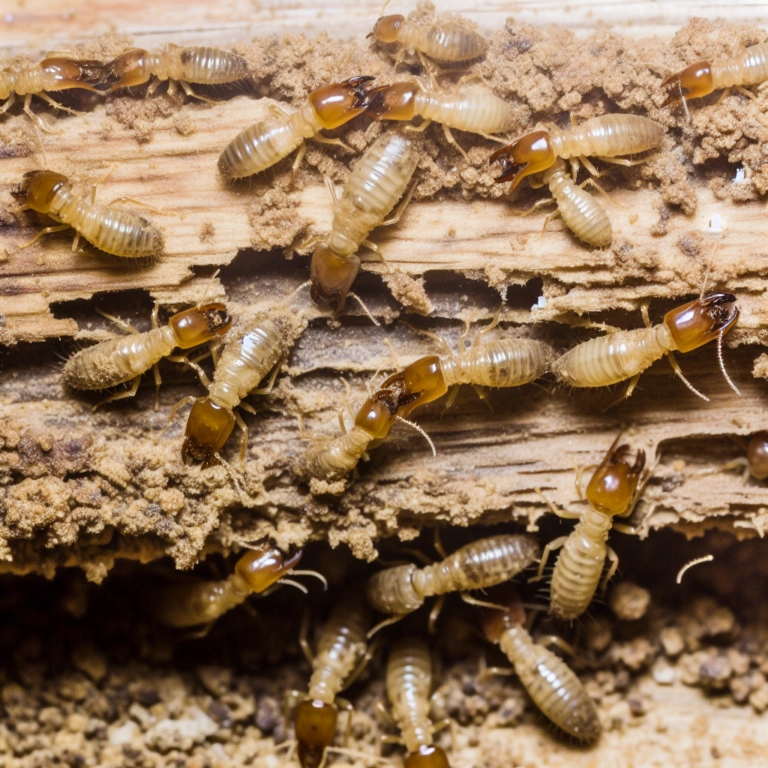
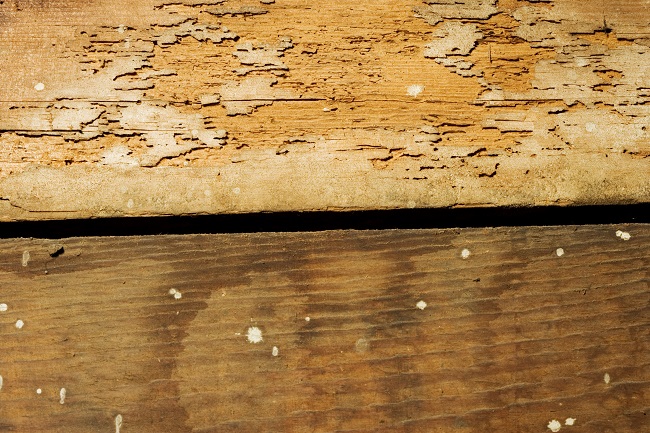
Subterranean termites prefer moist soil and are especially attracted to damp or water-damaged wood. Excess moisture softens wood, making it easier for termites to invade and feed. Recent home maintenance guidance consistently identifies moisture management as one of the most important termite prevention strategies.
Cockroaches
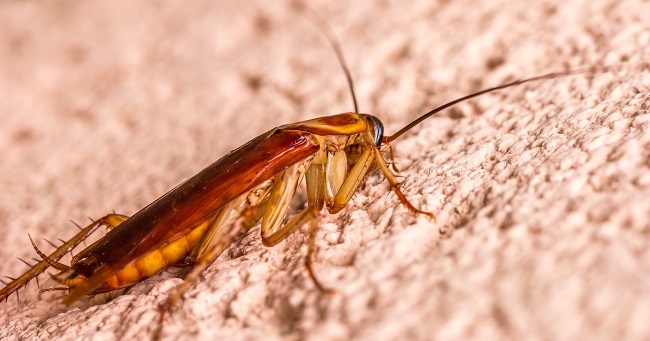
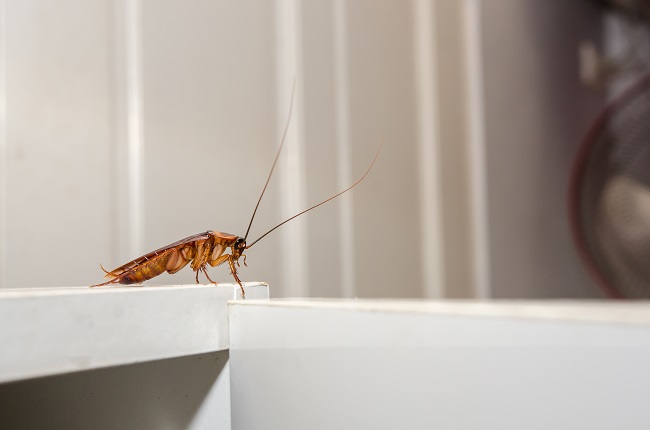
Cockroaches need moisture to survive and often gather beneath sinks, around leaking pipes, behind appliances, and inside bathrooms.
Silverfish
Silverfish thrive in humid areas like laundry rooms, bathrooms, and basements where moisture levels remain consistently high.
Mosquitoes
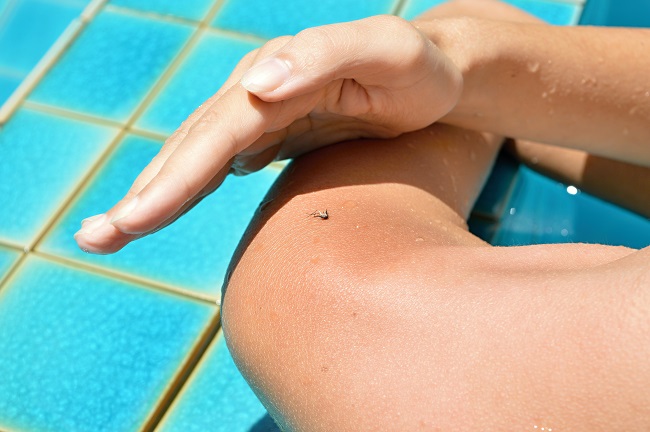
Standing water provides ideal breeding sites for mosquitoes. Even a small amount of water in clogged gutters, flower pots, or bird baths can support mosquito larvae.
Rodents
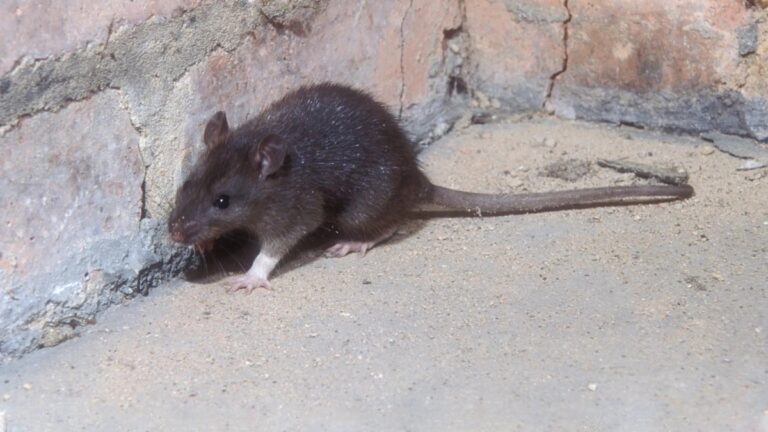
Although mice and rats search for food, they also need dependable water sources. Plumbing leaks and condensation often encourage rodents to remain indoors.
What Are the Warning Signs That Moisture Is Causing Pest Problems?
Many homeowners notice moisture before they notice pests.
Watch for these warning signs:
- Water stains on ceilings or walls
- Musty odors
- Visible mold or mildew
- Peeling paint
- Condensation on windows
- Soft or rotting wood
- Damp crawl spaces or basements
- Increased insect activity near plumbing fixtures
The Centers for Disease Control and Prevention (CDC) notes that mold grows wherever excess moisture exists and recommends fixing leaks promptly because moisture is the root cause of mold growth.
How Can You Reduce Moisture and Prevent Pest Infestations?
Removing excess moisture eliminates one of the biggest reasons pests stay in your home.
Simple preventative steps include:
- Repair plumbing leaks immediately.
- Clean gutters regularly.
- Improve drainage around your foundation.
- Use dehumidifiers in damp areas.
- Ventilate bathrooms and laundry rooms.
- Seal cracks around pipes and utility lines.
- Repair roof leaks quickly.
- Remove standing water from your yard.
- Schedule routine professional pest inspections.
Many recurring infestations begin because homeowners treat the pests without addressing the moisture that attracted them.
Should You Call a Professional if Moisture Keeps Attracting Pests?
Yes. Persistent moisture often leads to recurring pest problems that require professional evaluation.
Professional pest control can:
- Identify hidden pest entry points.
- Locate moisture-related problem areas.
- Recommend long-term prevention strategies.
- Treat existing infestations safely.
- Help reduce the risk of future pest activity.
Rather than repeatedly treating the symptoms, professional pest management addresses the conditions allowing pests to thrive.
Frequently Asked Questions
Can a small plumbing leak attract pests?
Yes. Even slow leaks provide enough moisture to attract cockroaches, termites, silverfish, and rodents over time.
Does high humidity cause pest infestations?
High humidity creates favorable conditions for many insects, especially silverfish, cockroaches, and termites, while also contributing to mold growth.
Can fixing moisture problems eliminate pests?
Fixing moisture removes a major attractant, but existing infestations often require professional pest treatment to completely resolve the problem.
How often should my home be inspected for pests?
Annual pest inspections are recommended for most homes, although homes with previous infestations or ongoing moisture issues may benefit from more frequent inspections.
Protect Your Home by Controlling Moisture and Pests
Moisture problems rarely disappear on their own, and neither do the pests they attract. Addressing leaks, improving drainage, and maintaining proper humidity levels can dramatically reduce your risk of infestations while protecting your home’s structure.
Ready to stop pests before they become a bigger problem? Contact AJB Pest today to schedule a professional inspection and learn how our customized pest control services, home pest control, termite inspection, termite control, and rodent control solutions can help protect your home year-round.