Waking Up Hungry: Why Ant Activity Spikes in Your Kitchen Each Spring
The Science Behind Spring Ant Invasions and What DFW Homeowners Can Do to Stop Them
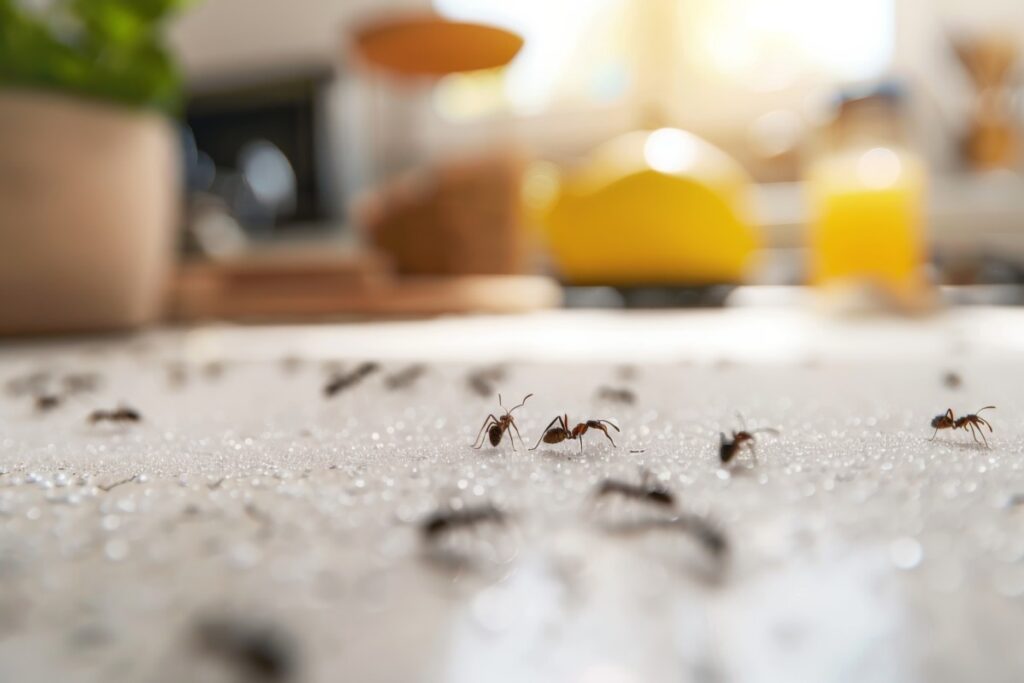
One morning in early spring you walk into the kitchen and there they are. A handful of ants near the sink, or a thin trail along the baseboard heading toward something you can barely see. By the next day there are more. It feels sudden and a little alarming, but it is actually one of the most predictable events in residential pest control, and it follows a biological pattern that plays out in homes across the DFW area every single year. At AJB Pest and Termite, we are a family-owned pest management company, and we have been helping DFW homeowners understand and prevent exactly this kind of seasonal pest pressure since 2011. We have families and pets just like you, and every service we provide is built around keeping your home protected with as little chemical exposure as possible. Here is what is actually happening when those first ants show up in your kitchen.
Why Spring Triggers Ant Activity in the First Place
Ants do not disappear in winter. They slow down, cluster together in underground nests, and enter a low-energy state sustained by food they stored during the fall. When soil temperatures begin rising in late winter and early spring, the colony’s activity ramps back up quickly, and it ramps up hungry.
In the DFW area, this transition can start earlier than most homeowners expect. A week of warm days in late February or early March is often enough to trigger the initial wave of foraging behavior, with scouts dispatched from the colony to locate the resources the nest needs to begin its spring and summer growth cycle. Water comes first. Food follows. And your kitchen has both.
This is the fundamental reason ant activity feels so seasonal and so kitchen-focused. It is not that ants prefer your kitchen specifically. It is that your kitchen reliably provides the moisture and food resources a waking colony is programmed to seek, and a scout that finds them leaves a pheromone trail that brings dozens, then hundreds more workers to the same location within hours.
Understanding Scout Ants and the Trail Behavior That Follows
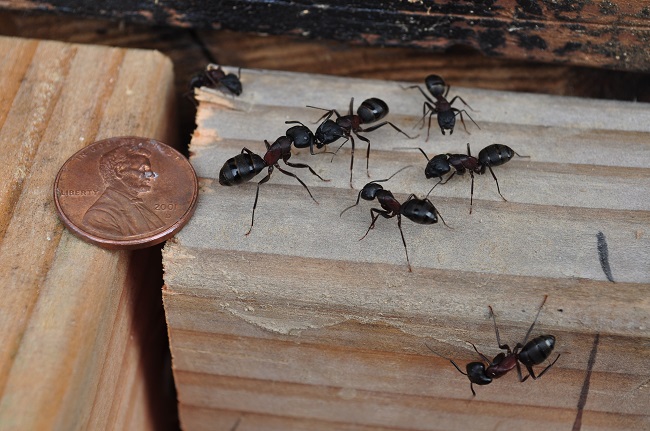
The first ants you see in spring are scouts, worker ants whose job is to locate resources and communicate their position back to the colony. A single scout that finds a water source under your sink or a food residue near the stove will return to the nest and recruit other workers through the pheromone trail it leaves. Each subsequent worker that follows the trail and returns reinforces it, making it progressively stronger and more efficiently followed.
This is why early intervention matters so much. One ant is a scout. A trail of ants is a communication network that the colony is actively maintaining, and the longer it goes unaddressed, the more established it becomes.
Moisture is the first draw in spring because colonies that have been living on stored resources through winter are often water-depleted before they are food-depleted. This explains the specific locations where spring ant activity tends to cluster:
- The area under and around the kitchen sink, particularly near the drain or any slow leak in the supply line
- The perimeter of the dishwasher, where water residue and warmth create ideal conditions
- The base of the refrigerator, especially near the water line or drip pan
- Along the baseboard near exterior walls where condensation accumulates
- Near pet water bowls left on the floor overnight
Once water sources are located, food residue near the same entry points is quickly identified as well. Cooking grease, crumbs, fruit left on the counter, or any sugary spill that was not fully cleaned becomes a secondary anchor for the developing trail.
Why Spraying the Ants You Can See Usually Makes Things Worse
The instinctive response to visible ants is to spray them. This removes the immediate visible problem but frequently intensifies the broader one.
Most consumer-grade ant sprays are repellent-based. They are formulated to keep ants away from a treated surface, not to eliminate the colony producing the workers. When a repellent disrupts an active trail, the colony does not retreat. It routes around the treated area and establishes new trails in other directions. The result is ants appearing in new locations, sometimes multiple locations simultaneously, as the colony disperses its foraging operation.
Certain ant species, including some varieties common in North Texas, can also respond to perceived threats by budding, a process where the colony splits into multiple satellite colonies with new queens, each establishing in a different location. A treatment approach that the colony interprets as a threat can effectively multiply the problem rather than reduce it.
Effective spring ant control requires addressing the source rather than the visible symptom. This means either using bait products that workers carry back to the colony and distribute through the nest, or maintaining a perimeter treatment that prevents scouts from establishing interior trails in the first place.
What You Can Do Right Now to Reduce Ant Pressure
While professional exterior treatment is the most reliable long-term solution, these steps reduce the attractiveness of your kitchen to foraging scouts:
- Fix any slow drips or moisture accumulation under the sink, around the dishwasher, or near the refrigerator immediately. Even minor moisture is a significant draw in early spring.
- Store food in sealed containers, including fruit that might normally sit out on the counter and pet food that may be left in open bowls overnight.
- Clean behind and under appliances where grease and food debris accumulate over time and become invisible ant attractants.
- Seal gaps around supply lines where they enter through cabinet floors or walls. These are primary entry points for scouts following moisture signals from the exterior.
- Keep pet water bowls elevated or swap them for bowls with moats that prevent ant access.
- Wipe down surfaces after cooking, including the stovetop and backsplash where grease residue collects and provides a long-lasting food source.
These measures reduce interior attractants but do not address the colony pressure building outside. That is where professional treatment makes the difference.
How AJB Addresses Spring Ant Pressure Before It Reaches Your Kitchen
Our approach at AJB Pest and Termite is built on the principle that most infestations begin outside and that intercepting pests at the exterior is more effective and less disruptive than treating active interior problems.
Our quarterly exterior pest control service maintains a treated barrier around your home’s foundation, entry points, and the soil and landscaping zones where ant colonies establish. This treatment is timed and applied at intervals that keep the perimeter effective through seasonal pest pressure peaks, including the spring foraging surge that sends scouts looking for resources. By creating conditions that intercept scouts before they find entry points and establish interior trails, we prevent the kitchen ant scenario from developing rather than responding to it after the trail is already established.
For DFW homeowners who are already seeing spring ant activity, our team can identify the active entry points, the likely colony locations, and the interior conditions contributing to the problem, and address all of them. Existing customers who see interior pest activity between scheduled services can reach us for a follow-up at no additional charge, because we stand behind our work.
Seeing Ants in Your Kitchen This Spring? Contact AJB Pest and Termite Today.
AJB Pest and Termite serves homeowners throughout the Dallas-Fort Worth Metroplex with family-safe pest management programs designed to protect your home before pest problems develop. Contact us today to schedule your service and stop spring ant activity before the scouts find what they are looking for.